


The lifestyle works… until it doesn’t
Mexico is one of the easiest places in the world to imagine working remotely: cheap rent, great weather, cafés everywhere, good internet (on paper).
And yes... it can work extremely well. But here’s what most people don’t expect:
👉 The first few months are usually inefficient, inconsistent, and slightly chaotic
Not because Mexico is “hard”, but because it doesn’t work the way people assume.
The biggest mistake: choosing based on vibe, not structure
People pick cities like: Playa del Carmen, Oaxaca, Mexico City, Puerto Vallarta, etc. based on:
- YouTube
- “Nomad rankings”
Instead of asking: “Can I actually work consistently here?”
What gets ignored:
- Internet varies by building, not just city
- Noise levels matter more than you think
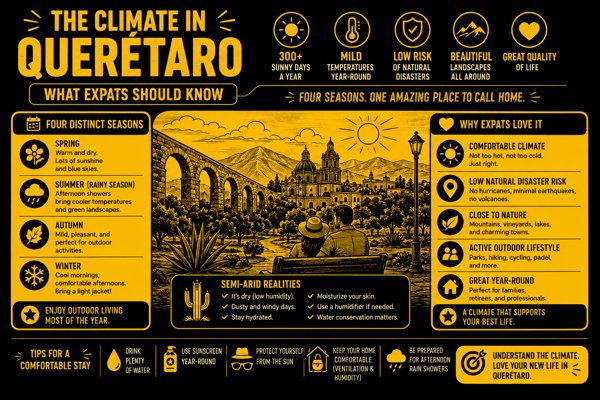
- Climate affects energy and productivity
- Short-term rentals are not designed for work
Many nomads choose a place that feels good… but doesn’t support their work.
Internet: “available” is not the same as “reliable”
You’ll read: “Fast internet available.” Technically true, but in reality:
- Some Airbnbs throttle speed
- WiFi drops during peak hours
- Backup options are rarely planned
👉 And you only discover this when you have a call or deadline.
Coworking helps, but:
- It’s an extra cost
- It changes your routine
- It’s not always close to where you live
Visas: the part people casually ignore
Most nomads enter on a tourist visa. For years, people assumed: “I’ll get 180 days, no problem.” That’s no longer guaranteed.
Now:
- Stay duration is discretionary
- Border runs are less reliable
- Re-entry is not always smooth
👉 This creates low-grade stress most people don’t factor in
Temporary residency fixes this, but:
- It requires planning
- It requires financial proof
- It’s not something you solve last minute and from within Mexico
The hidden problem: lifestyle drift
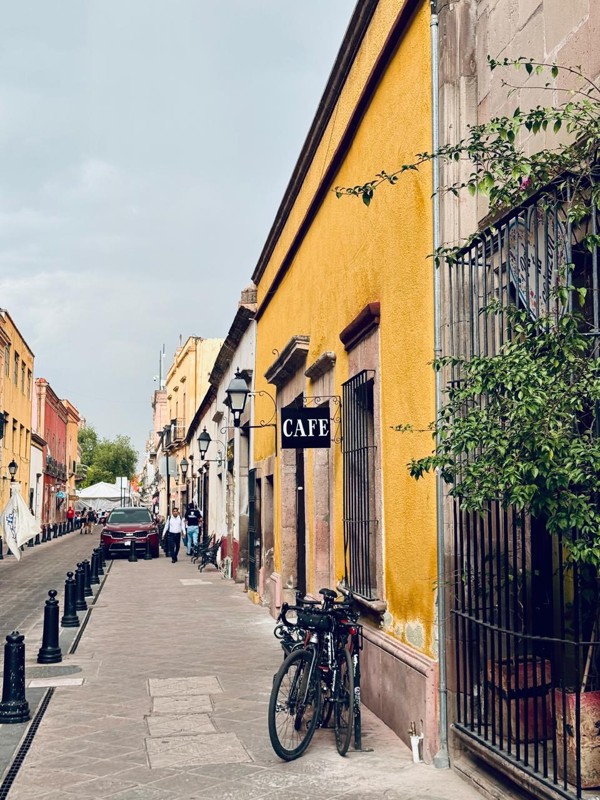
This is the one nobody talks about honestly. Mexico is too easy to enjoy: beach, food, social life and travel. And work slowly becomes secondary.
It doesn’t happen in one big failure. It happens like this:
- You start working from cafés
- Then irregular hours
- Then “I’ll catch up tomorrow”
👉 Productivity drops without you noticing, and that's when income can take a hit.
Cost of living: still lower, but not stable
You can live on $1,500–$3,000/month, but:
- Nomad hotspots are getting more expensive
- Short-term rentals are priced for foreigners
- Eating out becomes default
- Transport inefficiencies add up
👉 The issue isn’t that Mexico is expensive, it’s that your setup may not be efficient.
The pattern behind most nomad frustration
None of these problems are dramatic, but together they create:
- Inconsistent work
- Financial drift
- Visa uncertainty
- Mental fatigue
👉 And people start questioning the lifestyle itself.
Final thought: Mexico works best when it’s structured
Remote work in Mexico can be excellent, but the people who make it sustainable:
- Test locations before committing
- Verify internet at the unit level
- Plan visa strategy early
- Create structure around work
Where Nexterra Comes In
If you’re considering using Querétaro, with its excellent infrastructure, or Central Mexico in general as your remote base, we help you evaluate neighborhoods, test real conditions (not assumptions), and set up a structure that actually supports your work. Our tours and relocation guidance are designed to help you avoid the trial-and-error phase, and start with a setup that works from day one.
Read about the cost of living in Querétaro here, or you can find helpful information about money matters and taxes here. Want to start a business or find work in Mexico? Learn about it here.