

Querétaro looks walkable… but it's all in the eye of the beholder
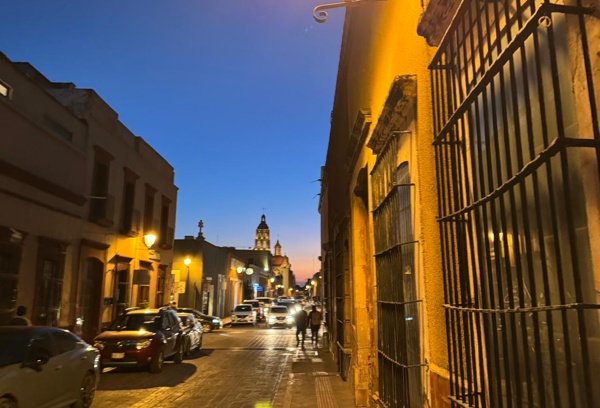
At first glance, Querétaro feels like a great walking city. Nice streets, good weather, compact-looking neighborhoods.
But once you live here, reality sets in:
👉 Walkability depends entirely on where you are and your lifestyle.
And choosing wrong can seriously affect your daily life.
The areas where walking actually works
Yes, there are walkable zones. If your goal is to live without relying heavily on a car, these are the types of areas that work best:
- Centro Histórico
- Álamos
- Carretas (some sections)
- Juriquilla (some sections close to commercial areas)
Here you’ll find:
- Restaurants and cafés within walking distance
- Basic services nearby
- More street life and activity
It’s not perfect, but it’s functional.
Where most expats end up (and why walkability disappears)
Here’s the catch. Many expats are drawn to newer developments because they offer:
- Bigger homes
- Modern amenities
- Gated communities
- Better prices per square meter
Areas like:
- Zibatá
- Zakia
- El Refugio
- Juriquilla
Look great on paper. But in practice?
👉 They are built for cars, not for walking, unless you choose an area close to a supermarket or strip mall.
You can’t just “step out” and grab coffee or run errands that easily.
The mistake almost everyone makes
Most people choose a home based on:
- Photos
- Price
- Recommendations from other expats
But they don’t ask the key question:
👉 “What will my daily life actually look like here?”
That’s where things go wrong.
Why walkability matters more than you think
This isn’t just about convenience. Walkability affects:
- Your independence
- Your daily stress
- Your social life
- Your overall satisfaction living in Mexico
Two people in Querétaro can have completely different experiences... just based on location.
So… do you need a car in Querétaro?
In most cases:
👉 Yes, it makes life easier.
Unless you intentionally choose a walkable area, you’ll likely rely on:
- Uber
- Driving
- Occasional taxis
And that changes your lifestyle more than people expect.
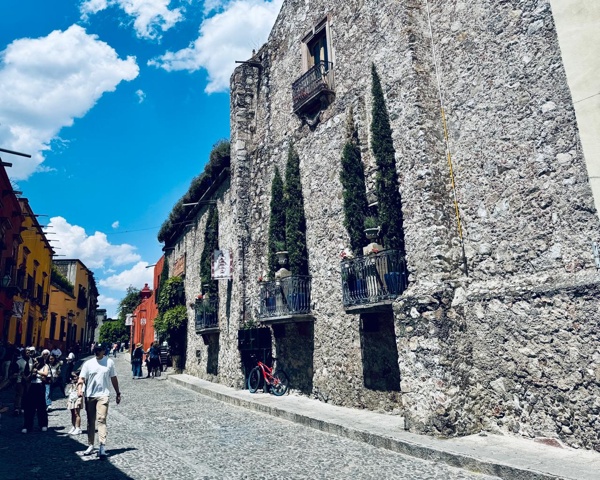
Querétaro vs. San Miguel de Allende in terms of walkability: not as simple as it sounds
Yes, because of its size San Miguel de Allende is more walkable on paper. But in reality, it’s not always easy to walk.
You’ll deal with:
- Steep hills
- Cobblestone streets
- Narrow, uneven sidewalks
👉 For many people (especially older expats), this makes daily walking harder than expected.
Querétaro is less walkable overall—but:
- Flatter
- More modern
- Easier to move around in many areas
So what actually matters?
👉 San Miguel = more walkable, but physically demanding
👉 Querétaro = less walkable, but more practical day-to-day
It’s not about which is better. It’s about what your body—and your lifestyle—can handle long term.
Final thought: this is a lifestyle decision, not a real estate decision
Choosing where to live in Querétaro isn’t just about the house.
It’s about:
- How you move
- What your day looks like (commutes, retired, etc.)
- How independent you feel
And walkability plays a huge role in all of that.
Where Nexterra Comes In
This is one of the biggest things we help our clients figure out.
Not just where to live—but:
👉 how life actually works in each area.
🚗 During our tours, we show you:
- Walkable zones
- Car-dependent areas
- What fits your lifestyle best
Thinking about moving to Querétaro? Let’s make sure you choose right.
You can learn more about mobility in Mexico in general and in Querétaro here. Need to know which are the best areas to live in Querétaro? Check out this article.